Social commerce represents the convergence of social media and ecommerce, enabling consumers to discover, research, and purchase products without leaving their favorite social platforms. This integration has transformed social media from awareness and engagement channels into direct sales channels, with platforms like Instagram, TikTok, Facebook, and Pinterest investing heavily in shopping features that make purchasing seamless within the social experience.
The opportunity is substantial. Social commerce sales are projected to reach nearly one trillion dollars globally by 2026, with particularly rapid growth in younger demographics who increasingly prefer to shop within social environments. For brands, this means the ability to shorten the path from discovery to purchase, capitalizing on impulse and inspiration-driven buying behavior that social platforms facilitate.
This guide provides a comprehensive framework for social commerce advertising. We will examine the major platforms and their shopping capabilities, explore advertising strategies that drive social sales, address the content and creative approaches that work best, and provide practical guidance for building effective social commerce programs. Whether you are just beginning with social selling or looking to optimize existing programs, this guide will help you maximize sales through social channels.
The stakes are significant. Brands that master social commerce gain access to audiences in high-engagement environments with streamlined purchase paths. Those who treat social as only awareness channels miss the direct revenue opportunity that integrated shopping now enables.
What You Will Learn In This Guide
Reading Time: 22 minutes | Difficulty: Intermediate
- Understanding the social commerce landscape
- Platform-specific strategies for Instagram, TikTok, Facebook, and Pinterest
- Shoppable content creation and optimization
- Live shopping and livestream commerce tactics
- Social proof and user-generated content strategies
- Advertising approaches that drive social sales
- Measurement and attribution for social commerce
Amplify Social Commerce with Premium Content
Build brand credibility that supports social selling through premium content placements. Outreachist connects you with quality publishers for sponsored content that establishes authority and trust.
Explore Publisher NetworkSocial Commerce Statistics
Projected global social commerce by 2026
Of consumers have purchased via social
Of Gen Z prefer shopping on social
Higher conversion from social proof
Sources: Accenture Social Commerce Report, Sprout Social Index, GWI Social Commerce Study
Section 1: Understanding Social Commerce
Social commerce integrates shopping functionality directly into social media platforms, enabling users to complete purchases without leaving the social environment. This differs from social media marketing that drives traffic to external ecommerce sites. True social commerce keeps the entire journey from discovery to checkout within the social platform itself.
The evolution toward social commerce reflects changing consumer behavior. Users spend increasing time on social platforms, and the friction of leaving those platforms to complete purchases causes significant drop-off. By enabling native checkout, platforms reduce friction and increase conversion while keeping users engaged within their ecosystem.
Key Social Commerce Features
Shoppable posts and stories tag products in organic and paid content, enabling users to tap to view product details and purchase. This transforms every piece of content into a potential storefront, with products discoverable in the natural flow of social browsing.
Platform shops create dedicated storefronts within social platforms where users can browse product catalogs, view collections, and make purchases. Instagram Shop, Facebook Shop, TikTok Shop, and Pinterest catalogs all provide branded storefront experiences.
Native checkout enables completing purchases within the platform using saved payment information. This eliminates the friction of redirecting to external sites and entering payment details, significantly improving conversion rates.
Live shopping combines livestreaming with real-time purchasing, enabling hosts to demonstrate products while viewers buy directly from the stream. This format has driven massive commerce in Asian markets and is growing rapidly in Western markets.
The Social Commerce Advantage
Social commerce offers several distinct advantages over traditional ecommerce approaches that explain its rapid growth.
Reduced friction from integrated checkout dramatically improves conversion compared to redirecting users to external sites. Every additional click in a purchase journey causes drop-off, and native checkout eliminates several steps from the traditional path.
Social proof integration leverages the inherent social nature of platforms. User reviews, shares, comments, and creator endorsements all provide buying signals that influence purchase decisions. Products gain credibility from social validation in ways difficult to replicate on standalone ecommerce sites.
Discovery through content enables finding products in natural browsing rather than intentional shopping sessions. Users discover products through entertaining content, influencer recommendations, and algorithmic surfacing, creating purchase opportunities that traditional ecommerce cannot access.
Impulse purchase enablement captures buying intent in the moment of inspiration. When users see products they want, immediate purchase capability converts interest before it fades. The gap between desire and purchase dramatically shortens.
Section 2: Platform-Specific Strategies
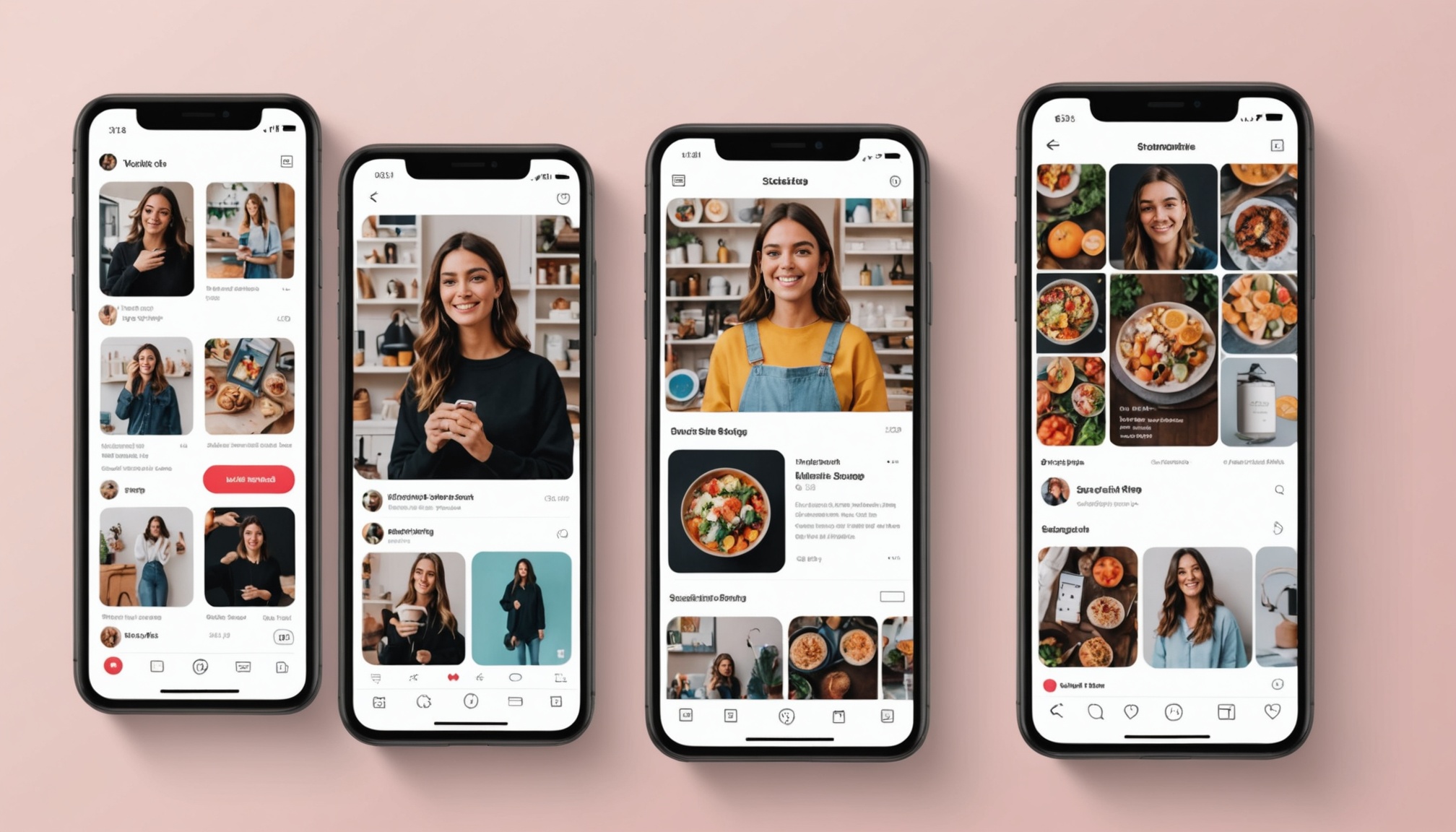
Each social platform offers distinct commerce capabilities, audience characteristics, and content formats. Effective social commerce requires platform-specific strategies that leverage each environment unique strengths.
Instagram Shopping
Instagram has invested heavily in shopping features, making it one of the most mature social commerce platforms. Instagram Shop provides a full storefront experience with product discovery, collections, and native checkout capabilities.
Shopping in feed and stories enables tagging products in content, creating shoppable posts that drive directly to product pages. Users can tap product tags to view details and purchase without leaving Instagram. Both organic and paid content support product tagging.
Instagram Checkout enables completing purchases within the app using saved payment and shipping information. This native checkout dramatically reduces friction compared to redirecting to external sites. Checkout is available for eligible businesses in supported regions.
Instagram Live Shopping combines livestreaming with real-time product tagging. Hosts can feature products during streams while viewers shop directly from the broadcast. Live shopping drives particularly strong engagement and conversion.
Shopping ads leverage Meta advertising platform to promote products to targeted audiences. Collection ads, dynamic product ads, and shopping campaigns all drive users to Instagram shopping experiences. The combination of Meta targeting with native commerce creates powerful performance advertising.
TikTok Shop
TikTok has aggressively expanded commerce capabilities, with TikTok Shop now available in multiple markets. The platform short-form video format creates unique opportunities for product discovery and entertainment-driven shopping.
In-feed shopping enables tagging products in videos and sending users directly to product pages within TikTok. The native shopping experience keeps users engaged while enabling immediate purchase when products capture interest.
TikTok Shop provides a full marketplace experience where users can browse product catalogs, view seller profiles, and complete purchases. The shop integrates with the broader TikTok experience, appearing in dedicated shopping tabs and discovery surfaces.
Affiliate and creator programs enable creators to earn commissions promoting products. This creates incentive for authentic product content from creators whose audiences trust their recommendations. The creator economy integration distinguishes TikTok commerce.
Live shopping on TikTok has grown rapidly, with hosts demonstrating products and driving real-time sales. The format is particularly effective for younger audiences who prefer video over static content.
Facebook and Pinterest
Facebook Shopping shares infrastructure with Instagram, enabling cross-platform catalog and shop management. Facebook Marketplace adds a peer-to-peer commerce dimension, while Facebook Shops provide branded storefronts.
Facebook advertising for commerce leverages the full Meta advertising platform. Advantage Plus shopping campaigns use AI to optimize across audiences, placements, and creative for maximum purchase conversions. Dynamic product ads automatically show relevant products to interested users.
Pinterest shopping integrates naturally with the platform inspiration-focused use case. Users come to Pinterest to discover ideas and products, making commerce a natural extension. Product pins, shopping ads, and catalogs enable seamless transition from inspiration to purchase.
Pinterest visual search lets users photograph items in the real world and find similar products available for purchase. This bridges offline discovery with online shopping in unique ways.
Pro Tip: Platform-Native Content
Social commerce content should feel native to each platform rather than repurposed ecommerce imagery. TikTok requires entertaining video, Instagram rewards polished aesthetics, and Pinterest demands inspirational visuals. Adapting content to platform expectations dramatically improves performance versus one-size-fits-all approaches.
Section 3: Shoppable Content Strategy
Content is the engine of social commerce. Unlike traditional ecommerce where users actively search for products, social commerce relies on content that captures attention, generates interest, and motivates purchase. Developing effective shoppable content requires understanding what works in social environments.
Content Formats That Drive Sales
Product demonstrations showing products in use provide context and build desire more effectively than static product images. Video content demonstrating benefits, features, and real-world application helps users envision ownership and increases purchase intent.
Lifestyle content places products in aspirational contexts that users want to emulate. Rather than focusing on product features, lifestyle content shows the life that products enable. This approach works particularly well for fashion, home, and lifestyle categories.
Educational content helps users solve problems or achieve goals with products as solutions. Tutorials, how-to guides, and tip content positions products as tools for achieving desired outcomes. Educational value creates engagement while naturally featuring products.
Entertainment-first content prioritizes engagement and shareability while incorporating products naturally. On platforms like TikTok where entertainment drives discovery, content that entertains first and sells second often outperforms overtly commercial content.
User-Generated Content
User-generated content provides authentic social proof that brand-created content cannot match. Real customers showing real product experiences builds trust and demonstrates genuine satisfaction.
Review and unboxing content captures the excitement of receiving and discovering products. This format works particularly well for products with strong visual appeal or compelling packaging. Authentic customer reactions provide social proof more persuasive than marketing claims.
Styling and application content shows how real users incorporate products into their lives. Fashion styling, home decor applications, and product combinations inspire potential customers while demonstrating versatility.
UGC collection strategies should actively encourage and incentivize customer content creation. Branded hashtags, contests, and featured customer spotlights motivate sharing while building content libraries for brand use.
UGC rights and permissions must be properly managed for brand use of customer content. Clear permission processes, proper attribution, and respect for creator ownership maintain positive relationships while enabling effective content leverage.
Creator and Influencer Content
Creator partnerships combine authentic voices with professional production quality. Influencers bring audiences, credibility, and content creation skills that accelerate social commerce programs.
Affiliate partnerships align creator incentives with sales outcomes. Commission structures motivate creators to drive actual purchases rather than just engagement, creating accountability that pure sponsorship lacks.
Creative freedom produces better content than overly prescriptive briefs. Creators understand their audiences and what content resonates. Providing product information and key messages while allowing creative interpretation typically produces stronger results.
Long-term relationships build deeper association between creators and brands. Ongoing partnerships create sustained presence with creator audiences, building familiarity and trust that single campaigns cannot achieve.
Build Brand Authority for Social Selling
Strong brand reputation supports social commerce conversion. Premium content placements establish credibility that makes social selling more effective. Outreachist connects you with quality publishers.
Browse PublishersSection 4: Live Shopping and Livestream Commerce

Live shopping combines the entertainment of live video with real-time purchasing, creating urgency and engagement that pre-recorded content cannot match. While massive in Asian markets, live shopping is growing rapidly in Western markets as platforms invest in capabilities and consumers become familiar with the format.
Why Live Shopping Works
Real-time demonstration shows products in action, answering questions and addressing concerns as they arise. Viewers see exactly how products look, function, and perform, reducing uncertainty that inhibits online purchase.
Interactive engagement enables two-way communication between hosts and viewers. Questions can be answered instantly, objections addressed, and personalized recommendations provided. This interaction builds connection that static content cannot achieve.
Urgency and scarcity from limited-time offers, flash sales, and exclusive products motivate immediate action. The live format creates natural urgency that drives conversion during streams rather than delayed consideration.
Entertainment value keeps viewers engaged for extended sessions. Successful live shopping combines product presentation with entertaining hosts, creating viewing experiences that feel more like entertainment than shopping.
Live Shopping Best Practices
Host selection significantly impacts live shopping success. Effective hosts combine product knowledge, engaging personality, and comfort on camera. Whether using brand representatives, employees, or creator partners, host quality determines viewer retention and conversion.
Production quality should match platform standards without being overly polished. Authenticity matters in live video, and overly produced streams can feel inauthentic. Good lighting, clear audio, and stable video are essential, but perfection is not required.
Pre-stream promotion ensures audiences know when to tune in. Building anticipation through social posts, email, and advertising drives viewership. Regular schedules help build habitual viewing.
Stream pacing should balance product presentation with engagement. Spending too long on products risks viewer boredom while rushing misses conversion opportunity. Most successful streams feature multiple products with time for questions and interaction between product segments.
Post-stream content extends value beyond live viewers. Recording streams for replay, creating highlight clips, and repurposing content across platforms multiplies the return on live shopping investment.
Section 5: Social Proof and Trust Building

Social proof is foundational to social commerce success. In environments where users encounter products through content rather than intentional shopping, trust signals determine whether interest converts to purchase. Building and leveraging social proof should be central to social commerce strategy.
Types of Social Proof
Customer reviews and ratings provide quantified credibility. Star ratings, review counts, and specific customer feedback help potential buyers assess product quality. Platforms increasingly surface review data in shopping experiences.
User-generated photos and videos show real product experiences from real customers. This visual social proof demonstrates authenticity more powerfully than brand imagery. Seeing products in diverse real-world contexts builds confidence.
Popularity indicators like sales counts, bestseller badges, and trending status signal that others have validated products. The psychological impact of knowing others have purchased reduces perceived risk.
Creator and influencer endorsements leverage borrowed credibility. When trusted voices recommend products, their authority transfers to purchasing decisions. This is particularly powerful for discovery-stage purchases.
Media mentions and awards provide institutional credibility. Recognition from publications, awards programs, and expert endorsements signals quality validated by authoritative sources.
Building Social Proof
Review generation programs should systematically request and collect customer feedback. Post-purchase email sequences, incentive programs, and friction-free review processes maximize review collection. Focus on generating volume while encouraging authentic, detailed feedback.
UGC encouragement motivates customers to share their product experiences. Hashtag campaigns, photo contests, and featured customer spotlights create incentive for sharing. Making content creation easy and rewarding increases participation.
Social proof display should surface credibility signals prominently in shopping experiences. Reviews, ratings, photos, and popularity indicators should appear on product pages and in shoppable content. Make social proof impossible to miss.
Responding to reviews demonstrates engagement and builds community. Thanking positive reviewers and addressing concerns in negative reviews shows active presence. This engagement itself serves as social proof of brand responsiveness.
Section 6: Advertising for Social Commerce
Paid advertising amplifies social commerce by reaching audiences beyond organic content distribution. Platform advertising capabilities have evolved specifically to drive shopping outcomes, with sophisticated targeting, optimization, and measurement for commerce objectives.
Shopping Ad Formats
Dynamic product ads automatically show relevant products to users based on browsing behavior, interests, and purchase history. These ads pull from product catalogs to serve personalized product recommendations at scale without manual creative creation for each product.
Collection ads showcase multiple products in immersive mobile experiences. Users can browse product assortments within the ad unit, creating mini-shopping experiences that drive discovery and purchase.
Shopping campaigns optimize specifically for purchase outcomes rather than clicks or engagement. Campaign algorithms learn which users are most likely to buy and focus delivery on high-purchase-probability audiences.
Campaign Strategies
Prospecting campaigns reach new audiences likely to be interested in your products. Broad targeting with purchase optimization lets platform algorithms find high-value customers. Creative featuring compelling product content drives discovery and initial interest.
Retargeting campaigns re-engage users who have shown interest but not purchased. Product viewers, cart abandoners, and engaged audiences all represent high-intent targets for conversion-focused campaigns. Dynamic creative showing previously viewed products reminds users of their interest.
Customer campaigns target existing customers for repurchase, cross-sell, and loyalty. Your customer list provides the highest-value targeting for campaigns promoting new products, complementary items, and repeat purchases.
Section 7: Measurement and Optimization
Measuring social commerce performance requires tracking metrics across the full funnel from content engagement through purchase. Understanding what to measure and how to optimize based on data enables continuous improvement of social commerce programs.
Key Metrics to Track
Content engagement metrics indicate how well your shoppable content resonates with audiences. Likes, comments, shares, and saves all signal content effectiveness. High engagement suggests content captures attention and generates interest, though engagement alone does not guarantee sales.
Product discovery metrics show how many users are finding and exploring your products. Product page views, catalog browsing, and product clicks from content indicate interest in purchasing. Tracking discovery helps identify which content and products generate the most consideration.
Cart and checkout metrics reveal conversion behavior. Add-to-cart rates, checkout initiation, and cart abandonment all provide insight into purchase intent and friction points. Analyzing these metrics identifies opportunities to improve conversion.
Purchase metrics capture actual revenue and transaction volume. Revenue, average order value, conversion rate, and return on ad spend all measure bottom-line impact. These are ultimately the most important metrics for evaluating social commerce success.
Customer metrics track the value of acquired customers over time. Repeat purchase rates, customer lifetime value, and retention all indicate the quality of customers acquired through social commerce. High-quality customers justify premium acquisition costs.
Attribution Challenges
Social commerce attribution presents unique challenges due to multi-platform journeys, cross-device behavior, and the influence of organic content on paid conversions. Understanding these challenges helps interpret measurement data accurately.
View-through attribution captures conversions from users who saw but did not click content. Many social commerce conversions occur after viewing content without clicking, as users later search for or directly visit your store. View-through attribution captures this influence but can overcount impact if not properly configured.
Cross-platform journeys mean users may discover products on one platform and purchase on another. Someone might see a product on TikTok, research on Instagram, and buy on your website. No single platform sees the complete journey, making unified measurement challenging.
Organic and paid interaction complicates attribution when users are exposed to both organic content and paid advertising. Did the organic content or the paid ad drive the conversion? In reality, both likely contributed, but attribution systems typically credit one or the other.
Optimization Approaches
Content optimization uses engagement and conversion data to improve shoppable content over time. Test different formats, hooks, product presentations, and calls-to-action to identify what drives best results. Double down on approaches that work while retiring underperformers.
Audience optimization refines targeting based on who actually purchases. Analyze customer demographics, interests, and behaviors to build more effective targeting. Lookalike audiences based on actual customers often outperform interest-based targeting.
Product optimization identifies which products perform best in social commerce. Not all products convert equally well on social platforms. Focus social commerce efforts on products with proven social performance while testing new products systematically.
Timing optimization determines when audiences are most receptive to social commerce. Analyze conversion patterns by day of week, time of day, and seasonal factors. Concentrate content and advertising during high-conversion windows.
Funnel optimization addresses drop-off points in the purchase journey. If many users view products but few add to cart, improve product presentation. If many add to cart but few complete checkout, address friction in the purchase process. Systematic funnel analysis identifies highest-impact optimization opportunities.
Key Takeaways
- Social commerce enables direct sales: Native shopping features transform social platforms from awareness channels into direct sales channels.
- Platform strategies must differ: Each platform has unique capabilities and audience expectations requiring tailored approaches.
- Content drives commerce: Effective shoppable content captures attention and motivates purchase in the social browsing context.
- Live shopping creates urgency: Real-time video commerce drives engagement and conversion through interaction and urgency.
- Social proof is essential: Reviews, UGC, and creator endorsements provide trust signals that drive purchase decisions.
- Advertising amplifies reach: Shopping-optimized campaigns extend social commerce beyond organic distribution.
Build Brand Authority for Social Selling
Strong brand credibility supports social commerce conversion. Premium content placements on trusted publications establish authority that makes social selling more effective. Outreachist connects you with quality publishers.
- 5,000+ verified publishers across every industry
- Build trust signals that support social commerce
- Transparent pricing and quality metrics
- Full campaign tracking and reporting
Conclusion
Social commerce represents a fundamental shift in how products are discovered and purchased. The integration of shopping into social platforms creates opportunities to reach consumers in high-engagement environments with streamlined purchase paths. For brands willing to invest in platform-specific strategies, compelling content, and social proof building, social commerce offers direct sales channels that complement and extend traditional ecommerce.
Success requires understanding that social commerce is not just ecommerce on social platforms. The discovery-driven, content-first nature of social shopping demands different approaches than search-driven ecommerce. Content that entertains, inspires, and engages drives commerce in ways that product listings cannot achieve.
Start by establishing presence on the platforms where your audiences spend time. Set up shops, connect catalogs, and begin creating shoppable content. Test organic approaches to understand what resonates before scaling with paid advertising. Build social proof systematically through review generation and UGC encouragement.
As social platforms continue investing in commerce capabilities and consumers become more comfortable with social shopping, the opportunity will only grow. Brands that build social commerce expertise now will be positioned to capture increasing share of commerce that happens where consumers spend their time, on social platforms.
About Outreachist
Outreachist is the premier marketplace connecting advertisers with high-quality publishers for guest posts, sponsored content, and link building opportunities. Our platform features 5,000+ verified publishers across every industry, with transparent metrics and secure transactions.
Browse our marketplace | Create a free account | Learn how it works