LinkedIn stands alone as the premier platform for B2B advertising. With over one billion professional users, including decision-makers at companies of every size and industry, LinkedIn offers access to business audiences that no other platform can match. For B2B marketers, LinkedIn advertising provides the ability to reach buyers, influencers, and stakeholders based on their professional identity, job function, and company characteristics.
The unique value of LinkedIn lies in its professional context. Users engage with LinkedIn in professional mindset, thinking about their careers, industries, and business challenges. This context makes LinkedIn ideal for B2B messaging that would feel out of place on consumer-focused platforms. When business professionals scroll their LinkedIn feed, they expect and accept business-relevant content and advertising.
This guide provides a comprehensive framework for LinkedIn B2B advertising success. We will examine LinkedIn unique targeting capabilities, explore ad formats and their applications, address campaign strategy and optimization, and provide practical guidance for building effective B2B advertising programs. Whether you are new to LinkedIn advertising or looking to improve existing programs, this guide will help you leverage the platform full potential for professional marketing.
The stakes are significant. B2B buying processes involve multiple stakeholders, long consideration cycles, and high-value decisions. Reaching the right people at the right companies with relevant messaging can determine whether you win or lose business. LinkedIn provides the targeting precision to make this possible.
What You Will Learn In This Guide
Reading Time: 24 minutes | Difficulty: Intermediate
- Understanding LinkedIn unique B2B targeting
- Ad formats and their best applications
- Account-based marketing on LinkedIn
- Lead generation strategies and forms
- Content strategy for professional audiences
- Campaign optimization and measurement
- Integration with sales and CRM systems
Complement LinkedIn Ads with Premium Content
While LinkedIn advertising reaches professionals directly, premium content placements build thought leadership and organic visibility. Outreachist connects you with quality B2B publishers for sponsored content that complements your advertising.
Explore B2B PublishersLinkedIn B2B Statistics
Professional members worldwide
Of B2B leads from social
Higher B2B conversion rates
Companies on LinkedIn
Sources: LinkedIn Marketing Solutions, Demand Gen Report 2024
Section 1: LinkedIn Targeting Capabilities
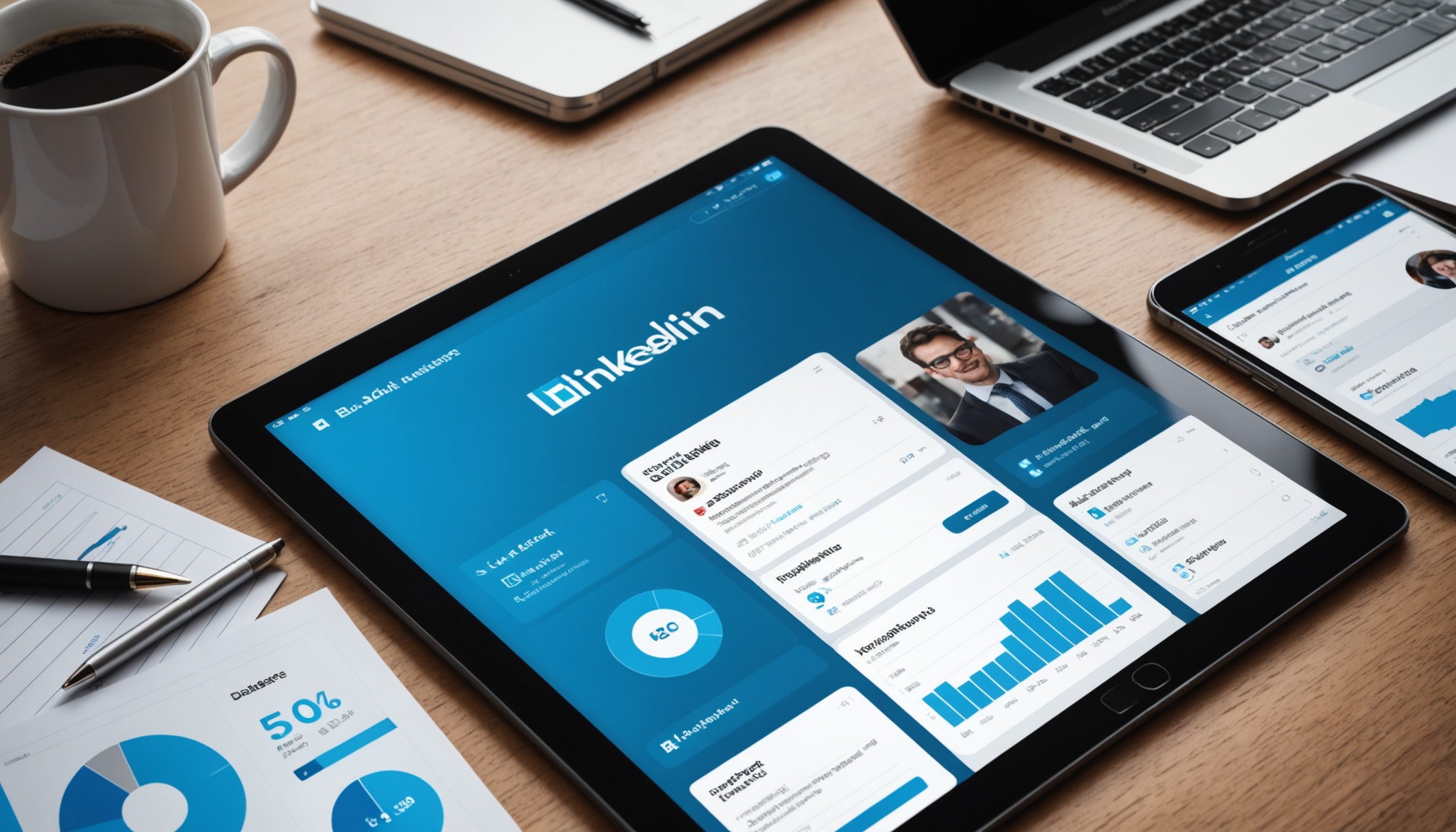
LinkedIn targeting capabilities are what make the platform essential for B2B advertising. The ability to reach professionals based on their job characteristics, company attributes, and professional interests enables precision impossible on other platforms.
Professional Demographic Targeting
Job title targeting reaches people based on the titles they list on their LinkedIn profiles. This enables targeting specific roles like Chief Marketing Officers, IT Directors, or Procurement Managers. Job title targeting is highly precise but can limit scale since titles vary across organizations.
Job function targeting groups professionals by their functional area regardless of specific title. Marketing, Sales, Finance, Engineering, and other functions can be targeted to reach broader audiences within functional disciplines.
Seniority targeting filters by career level from entry-level to C-suite executives. Combining seniority with job function enables targeting like senior marketing professionals or entry-level engineers without specifying exact titles.
Skills targeting reaches professionals based on skills they list on their profiles. This can be particularly valuable for technical products where specific skill sets indicate relevance. Someone listing specific programming languages or tools is likely interested in related products.
Company Targeting
Company targeting reaches employees at specific organizations. This is foundational for account-based marketing where you want to reach buyers at named accounts. Upload company lists or use LinkedIn company targeting to reach employees at target organizations.
Industry targeting reaches professionals based on the industry of their employer. Technology, Financial Services, Healthcare, Manufacturing, and other industries can be targeted to reach industry-specific audiences.
Company size targeting filters by employee count, from small businesses to large enterprises. Different company sizes often have different needs, budgets, and buying processes, making size-based targeting valuable for relevance.
Company growth targeting reaches employees at companies experiencing rapid growth. Fast-growing companies often have active buying needs and budget for new solutions.
Interest and Behavior Targeting
Member interests target based on professional topics users engage with. Someone interested in digital transformation, cloud computing, or sustainable business likely has relevant professional concerns.
Group membership targets users who belong to specific LinkedIn Groups. Group members demonstrate active interest in group topics and often represent engaged professional communities.
Engagement targeting reaches users who have previously engaged with your company page, ads, or content. These warm audiences have demonstrated interest and typically convert at higher rates.
Pro Tip: Layered Targeting
Combine multiple targeting criteria to create precise audiences. Rather than targeting all marketing professionals, target senior marketing professionals at enterprise technology companies in specific geographies. Layering increases relevance though it reduces audience size. Find the balance between precision and scale.
Section 2: Ad Formats for B2B Marketing

LinkedIn offers several ad formats, each suited for different objectives and stages of the B2B buyer journey. Understanding format strengths helps match format to campaign purpose.
Sponsored Content
Sponsored Content appears natively in the LinkedIn feed, matching the format of organic posts. This native appearance often produces better engagement than obviously promotional formats.
Single image ads present a compelling visual with supporting copy. Simple and effective, single image ads work well for promoting content, announcing news, or driving traffic to landing pages.
Carousel ads enable showcasing multiple images in a swipeable format. Carousels work well for telling stories, presenting product features, or guiding users through sequential content.
Video ads capture attention with motion and enable deeper storytelling. Video can demonstrate products, share customer stories, or communicate complex value propositions that static content cannot convey.
Document ads allow users to read documents directly in the feed. This format is excellent for promoting reports, guides, and other long-form content without requiring immediate download.
Sponsored Messaging
Message Ads deliver personalized messages directly to LinkedIn inboxes. This format enables one-to-one communication that feels more personal than feed-based advertising.
Conversation Ads provide choose-your-own-adventure style messaging with multiple response options. Users navigate through conversation flows, enabling personalized experiences based on their interests and needs.
Messaging formats require careful execution to avoid feeling spammy. Personalization, relevant content, and respect for user attention determine whether messaging ads generate engagement or annoyance.
Lead Generation Forms
Lead Gen Forms enable capturing leads directly within LinkedIn without requiring users to visit landing pages. Forms pre-populate with LinkedIn profile data, reducing friction and improving conversion rates.
The convenience of pre-filled forms dramatically improves lead capture. Users can submit their information with just a few clicks, eliminating the typing and friction of traditional landing page forms.
Lead quality from LinkedIn forms is generally strong because profile data is typically accurate and current. Professionals maintain their LinkedIn profiles for career purposes, so the data they share tends to be reliable.
Dynamic Ads
Dynamic Ads personalize creative with each user profile information. Seeing your own photo and name in an ad captures attention in ways generic creative cannot achieve.
Follower Ads encourage users to follow your company page, building audience for organic content. Spotlight Ads promote specific offerings with personalized calls-to-action.
Section 3: Account-Based Marketing on LinkedIn
Account-based marketing treats individual companies as markets of one, focusing marketing efforts on specific high-value accounts. LinkedIn unique company targeting makes it ideal for ABM execution.
Account Selection and Upload
Company list upload enables targeting employees at your specific target accounts. Upload lists of company names for LinkedIn to match against their company database. Match rates vary but typically range from seventy to ninety percent for known companies.
Account selection should prioritize companies most likely to become customers. Firmographic fit, intent signals, and sales team input all inform account selection. Quality of account selection determines ABM campaign effectiveness.
Account tiers enable differentiated investment. Tier one accounts might receive heavy advertising investment while tier three accounts receive lighter touch. Tiering enables scaling ABM programs across large account lists.
Buying Committee Targeting
B2B purchases typically involve multiple stakeholders with different roles and concerns. ABM on LinkedIn enables reaching entire buying committees at target accounts.
Champion targeting reaches users most likely to advocate for your solution. Product users, technical evaluators, and hands-on practitioners often champion solutions they like.
Decision-maker targeting reaches executives with budget authority and final approval. C-suite and senior leaders require different messaging focused on business outcomes rather than features.
Influencer targeting reaches people who affect decisions without making them. Technical advisors, consultants, and subject matter experts often influence what gets purchased.
ABM Campaign Strategy
Awareness campaigns introduce your brand to target accounts. Even if individuals are not actively buying, awareness creates familiarity that benefits future sales engagement.
Engagement campaigns drive interaction with valuable content. Webinar registrations, content downloads, and page visits indicate interest that can be passed to sales.
Conversion campaigns pursue direct action from engaged accounts. Demo requests, meeting bookings, and sales inquiries become campaign objectives for accounts showing buying signals.
Build B2B Thought Leadership
LinkedIn advertising reaches buyers, but thought leadership builds trust. Premium content placements on B2B publications establish expertise that supports sales conversations. Outreachist connects you with quality publishers.
Browse B2B PublishersSection 4: Lead Generation Strategies
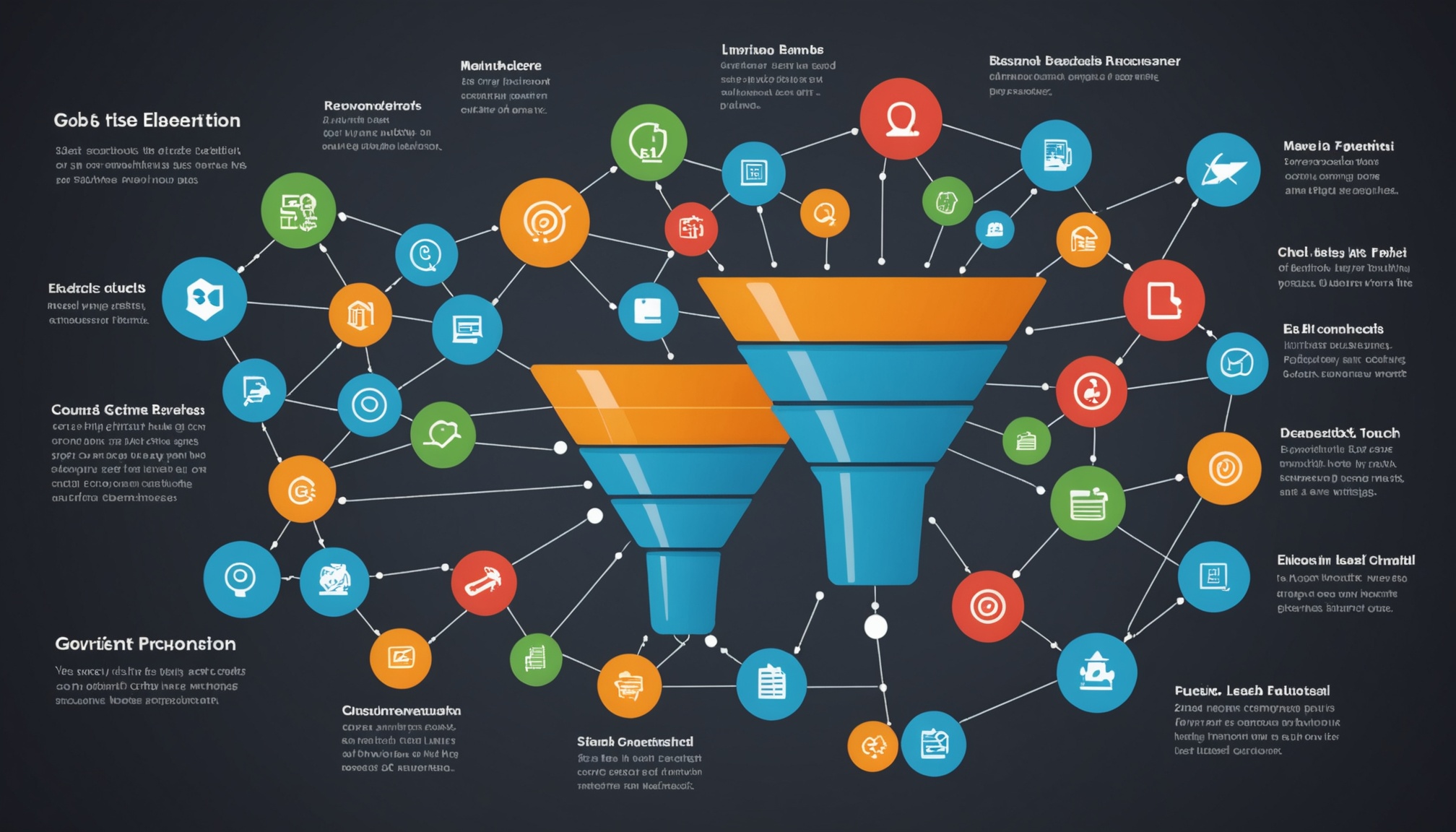
Lead generation is a primary objective for many B2B advertisers on LinkedIn. The platform combination of professional targeting and frictionless lead capture makes it highly effective for filling sales pipelines.
Lead Gen Form Optimization
Form field selection balances data collection against conversion friction. Each additional field reduces completion rates. Collect only information necessary for lead qualification and sales follow-up.
Standard fields pre-populate automatically from profiles, reducing effort for users. Name, email, company, job title, and similar fields complete with stored data. Custom fields require typing and reduce conversion rates.
Consent and privacy language must comply with applicable regulations. GDPR, CCPA, and other privacy laws require appropriate disclosures and consent mechanisms.
Content Offers for Lead Capture
Valuable content justifies information exchange. Users share their data in return for content that helps them professionally. The perceived value of your content directly impacts lead generation results.
Research and reports provide unique insights users cannot get elsewhere. Original research, benchmark studies, and industry reports offer high perceived value.
Guides and playbooks offer practical, actionable advice. How-to content that helps users do their jobs better generates strong response.
Tools and templates provide immediate utility. Calculators, assessments, and templates that users can apply immediately have inherent value that justifies data exchange.
Webinars and events promise learning and interaction. Live events create urgency and offer engagement opportunities that static content cannot match.
Lead Quality and Scoring
Lead quality varies significantly and not all leads deserve sales attention. Implementing lead scoring helps prioritize follow-up and improves sales efficiency.
Demographic scoring evaluates fit based on profile characteristics. Job title, seniority, company size, and industry all indicate how well a lead matches your ideal customer profile.
Behavioral scoring tracks engagement intensity. Multiple content downloads, repeated site visits, and engagement with sales-oriented content indicate higher purchase intent.
Intent scoring incorporates third-party intent data when available. Users researching relevant topics elsewhere may be actively in-market for solutions you provide.
Section 5: Content Strategy for LinkedIn
Content effectiveness on LinkedIn differs from consumer platforms. Professional audiences expect substantive content that respects their expertise and addresses real business challenges.
Content Types That Perform
Thought leadership content demonstrates expertise and unique perspective. Original insights, contrarian viewpoints, and expert commentary position your brand as a leader worth following.
Educational content helps professionals improve at their jobs. Training, best practices, and skill development content adds genuine value to user experience.
Industry insights address trends, challenges, and opportunities relevant to target audiences. Content that helps users understand and navigate their business environment resonates strongly.
Case studies and success stories provide social proof and practical examples. Seeing how peers solved similar challenges builds confidence in potential solutions.
Creative Best Practices
Professional tone matches platform context. LinkedIn is not Facebook. Content should be informative, substantive, and respectful of professional audience expectations.
Visual quality reflects on brand perception. High-resolution images, clean design, and professional aesthetics communicate credibility that affects ad performance.
Copy clarity ensures key messages communicate quickly. Users scan feed content rapidly. Headlines, opening lines, and key points must be immediately comprehensible.
Value-first messaging leads with what users get rather than what you sell. Focus on audience benefit before product features.
Testing and Optimization
Creative testing reveals what resonates with professional audiences. Test different images, headlines, copy approaches, and offers to identify effective combinations.
Audience testing compares performance across different targeting approaches. The same creative may perform differently for different job functions, seniorities, or industries.
Format testing identifies optimal ad formats for your objectives. Sponsored content, messaging, and other formats serve different purposes and suit different content types.
Section 6: Campaign Optimization and Measurement
LinkedIn advertising optimization balances reach, efficiency, and lead quality. B2B metrics differ from consumer metrics, with focus on business outcomes rather than engagement metrics alone.
Key Performance Metrics
Cost per lead measures efficiency at generating leads. Compare CPL against lead value and conversion rates to assess whether costs are sustainable.
Lead quality metrics track how leads perform downstream. Conversion to opportunity, sales acceptance rates, and ultimately closed revenue indicate true lead value beyond volume.
Account coverage for ABM campaigns measures what percentage of target accounts have been reached. Seeing ads is prerequisite to responding to them.
Engagement metrics including click-through rates, video views, and content engagement indicate content resonance even before lead conversion.
Optimization Strategies
Bid optimization balances reach against cost. Higher bids increase delivery but raise costs. Find the bid level that achieves necessary volume at acceptable efficiency.
Audience refinement narrows or expands targeting based on performance. If certain segments perform better, concentrate investment there.
Creative refresh combats fatigue as audiences see ads repeatedly. New creative angles and offers maintain engagement over time.
Landing page optimization improves conversion from click to lead. Even with Lead Gen Forms, some campaigns drive to landing pages where optimization matters.
Attribution and ROI
B2B attribution is challenging due to long sales cycles and multiple touches. LinkedIn provides view-through and click-through attribution, but connecting to revenue requires additional tracking.
CRM integration enables tracking leads through the sales pipeline to closed revenue. This connection reveals true campaign ROI beyond lead generation metrics.
Multi-touch attribution distributes credit across all touches in B2B buying journeys. LinkedIn may introduce buyers who later convert through other channels.
Section 7: Sales and CRM Integration
LinkedIn advertising delivers maximum value when integrated with sales processes and CRM systems. This integration enables lead routing, performance tracking, and closed-loop measurement that reveals true campaign ROI.
Lead Routing and Follow-Up
Lead delivery should route leads to sales teams quickly. Speed to lead significantly impacts conversion rates. Leads contacted within hours convert at much higher rates than those contacted after days. Configure systems to deliver and route leads immediately.
Lead enrichment adds valuable context to LinkedIn lead data. While LinkedIn provides profile information, enriching with company data, intent signals, and engagement history helps sales prioritize and personalize follow-up.
Sales and marketing alignment ensures leads receive appropriate follow-up. Agree on lead definitions, qualification criteria, and handoff processes. Misalignment causes leads to fall through cracks or receive inappropriate treatment.
Follow-up sequences should match lead source and intent. LinkedIn leads may need different nurturing than other lead sources. Design follow-up that references LinkedIn engagement and continues the conversation started there.
CRM Integration Options
Native LinkedIn integrations with major CRM platforms enable automatic lead sync. Salesforce, HubSpot, Microsoft Dynamics, and other platforms offer built-in LinkedIn connections that transfer lead data automatically.
Zapier and integration platforms connect LinkedIn to virtually any CRM or marketing automation system. These tools enable custom workflows that route, enrich, and process leads according to your specific requirements.
Custom API integrations provide maximum flexibility for enterprise implementations. LinkedIn APIs enable sophisticated integrations that sync lead data, track conversion events, and enable advanced reporting.
Closed-Loop Reporting
Connecting advertising data to revenue outcomes reveals true campaign value. Track leads through the sales pipeline to understand which campaigns, audiences, and content drive not just leads but actual business.
Pipeline influence reporting shows how LinkedIn advertising affects deals in progress. Even if LinkedIn did not source the opportunity, advertising may influence buyers during their evaluation.
Revenue attribution connects closed deals back to originating campaigns. This data enables ROI calculation and informs budget allocation decisions based on actual business impact rather than lead volume alone.
Section 8: Common Challenges and Solutions
LinkedIn advertising presents common challenges that can limit performance. Understanding these challenges and their solutions helps advertisers achieve better results.
High Costs
LinkedIn advertising typically costs more than other platforms due to its professional audience value. Cost per click and cost per lead often exceed other social platforms significantly.
Managing costs requires focus on lead quality rather than volume. Higher CPLs are acceptable if leads convert at higher rates and generate more revenue. Evaluate cost efficiency on revenue basis rather than lead volume.
Targeting refinement improves efficiency by reaching more relevant audiences. Broader targeting may appear cheaper per click but often generates lower quality leads. Precision targeting produces better ROI despite higher unit costs.
Creative and offer optimization reduces costs by improving conversion rates. Better performing content generates more results from the same spend, effectively reducing cost per outcome.
Limited Reach
Precise targeting can limit audience size and delivery. Very specific targeting criteria may produce audiences too small for effective advertising.
Balancing precision with scale requires testing different targeting approaches. Start with tighter targeting and gradually expand until you find the audience size that delivers acceptable quality at sufficient volume.
Audience expansion through lookalike audiences and matched segments extends reach while maintaining quality. These audiences resemble your known customers without requiring exact criteria matches.
Long Sales Cycles
B2B sales cycles often extend for months or years, complicating attribution and optimization. Leads generated today may not convert to revenue for extended periods.
Patience and appropriate attribution windows account for long consideration periods. Judging campaigns too quickly produces incorrect conclusions about effectiveness.
Leading indicator metrics provide earlier signals of campaign effectiveness. Engagement quality, content consumption, and sales team feedback indicate lead quality before revenue data is available.
Pipeline metrics track leads through sales stages, providing visibility into progression even before deals close. Movement through stages indicates lead quality and campaign effectiveness.
Key Takeaways
- LinkedIn offers unmatched B2B targeting: Professional, company, and firmographic targeting enables precision impossible on other platforms.
- Multiple ad formats serve different purposes: Match format to objective, from awareness to lead generation to direct response.
- ABM execution excels on LinkedIn: Company targeting enables reaching buying committees at specific high-value accounts.
- Lead Gen Forms reduce friction: Pre-populated forms dramatically improve conversion rates for lead capture.
- Content quality matters: Professional audiences expect substantive, valuable content that respects their expertise.
- Track through to revenue: Lead volume alone does not indicate success. Track lead quality and downstream conversion to revenue.
Complement LinkedIn with B2B Content
LinkedIn advertising reaches professional buyers, but thought leadership on industry publications builds the credibility that supports sales conversations. Premium content placements establish expertise. Outreachist connects you with quality B2B publishers.
- 5,000+ verified publishers across every industry
- Build thought leadership alongside advertising
- Transparent pricing and quality metrics
- Full campaign tracking and reporting
Conclusion
LinkedIn B2B advertising provides capabilities essential for reaching professional buyers. The platform unique targeting based on professional identity, job function, and company characteristics enables precision that consumer platforms cannot match. For B2B marketers, LinkedIn is not optional but essential.
Success requires understanding what makes LinkedIn different from other advertising platforms. Professional context, substantive content expectations, and complex buying journeys all shape how LinkedIn advertising should be approached. Strategies that work on consumer platforms often fail on LinkedIn.
Start by defining your target audience in professional terms. What job titles, functions, seniorities, and company types represent your ideal customers? Build targeting that reaches these professionals with content that addresses their professional needs and challenges.
As B2B buying continues evolving toward digital research and self-service evaluation, LinkedIn influence will only grow. Buyers increasingly form preferences and shortlists before engaging sales. Being present and valuable in those early stages determines who makes the shortlist. LinkedIn advertising makes that presence possible at scale.
About Outreachist
Outreachist is the premier marketplace connecting advertisers with high-quality publishers for guest posts, sponsored content, and link building opportunities. Our platform features 5,000+ verified publishers across every industry, with transparent metrics and secure transactions.
Browse our marketplace | Create a free account | Learn how it works