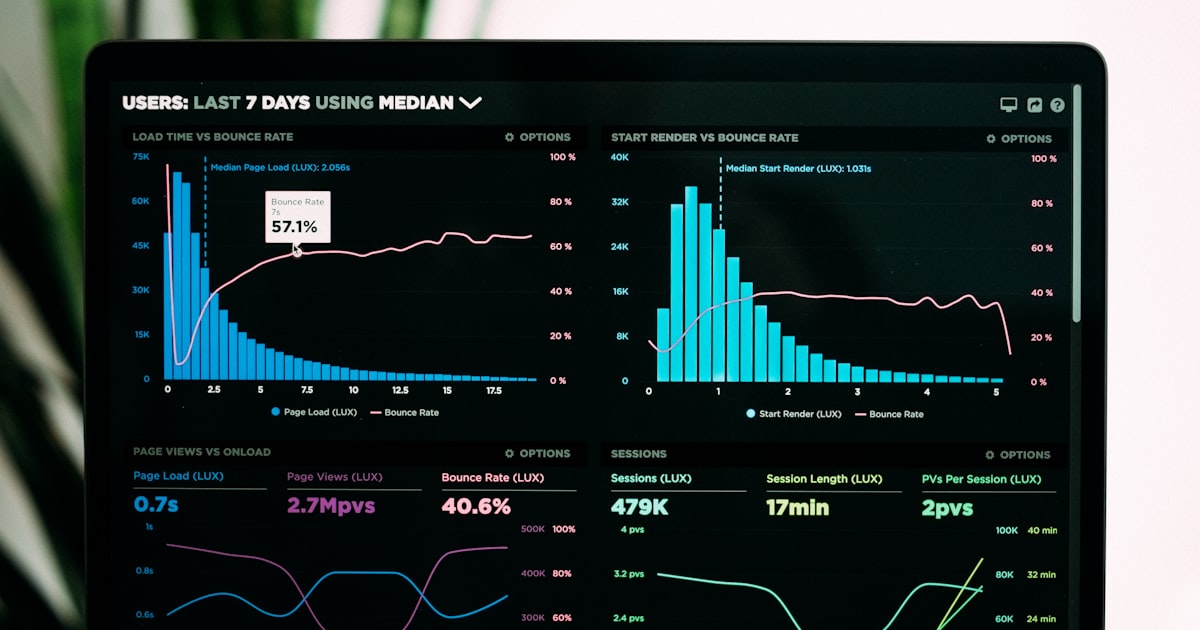
E-commerce link building presents unique challenges. Unlike content-rich websites, online stores often struggle to attract natural links to product and category pages. Yet these are exactly the pages that need to rank for commercial keywords that drive sales.
According to a study by Ahrefs, the top-ranking product pages have an average of 35% more referring domains than pages ranking in positions 2-10. For e-commerce sites competing for high-value commercial keywords, building a strong backlink profile is not optional - it is essential for visibility and revenue.
This comprehensive guide covers link building strategies specifically designed for e-commerce websites, from leveraging your products and brand to building authority across your entire store.
Build Authority for Your E-commerce Store
Guest posts and sponsored content on relevant publications help e-commerce sites build the authority needed to compete for commercial keywords. Outreachist connects you with publishers in retail, lifestyle, and industry-specific niches.
Find Relevant PublishersWhat You Will Learn
Reading Time: 15 minutes | Difficulty: Intermediate
- Why e-commerce link building is uniquely challenging
- 12 proven link building strategies for online stores
- How to get links to product and category pages
- Leveraging your products for link opportunities
- Building an e-commerce content strategy that earns links
- Measuring link building ROI for e-commerce
The E-commerce Link Building Challenge

Before diving into strategies, it is important to understand why e-commerce link building is particularly difficult:
Common Challenges
- Product pages are inherently commercial
- Limited content for natural link attraction
- Competition from established retailers
- Duplicate content issues with manufacturers
- Category pages have little unique content
E-commerce Advantages
- Products can be sent for review
- Influencer and affiliate opportunities
- Gift guide inclusion potential
- Supplier and manufacturer relationships
- Brand story and founding narrative
E-commerce SEO Statistics
Of online shopping journeys start with search
Of e-commerce orders tied to organic traffic
More links for #1 vs #2-10 product pages
12 Proven E-commerce Link Building Strategies
1. Product Reviews and Features
Getting your products reviewed by bloggers, influencers, and publications is one of the most effective ways to build links directly to product pages.
Finding Review Opportunities
- Search "[product category] reviews blog"
- Look for YouTube reviewers in your niche
- Find influencers who regularly feature products
- Research competitors' review placements
Making Your Products Review-Worthy
- Provide professional product photography
- Create detailed product information sheets
- Offer exclusive discount codes for their audience
- Make the product experience exceptional
Pro Tip: Follow Up For Links
Many reviewers will mention your product without linking. After a review goes live, reach out politely to request a link to your product page. Most reviewers are happy to add links if asked nicely.
2. Gift Guide Inclusion
Gift guides published before holidays (Christmas, Valentine's Day, Mother's Day, etc.) are link goldmines for e-commerce sites. These pages often have high authority and generate significant referral traffic.
Gift Guide Strategy
- Start early: Pitch 2-3 months before the holiday
- Target specifically: "Gifts for [specific person/interest]" guides
- Provide everything: Images, descriptions, prices, unique selling points
- Follow up: Reach out to guides that featured you last year
Finding Gift Guide Opportunities
Search for:
- "[year] gift guide [your category]"
- "best gifts for [your target customer]"
- "[holiday] gift ideas"
- "gift guide submit" or "suggest a product"
3. Supplier and Manufacturer Links
If you sell products from manufacturers or suppliers, their websites often have "where to buy" or retailer pages. Getting listed generates authoritative backlinks from industry sources.
How to Get Listed
- Check each supplier's website for retailer pages
- Contact your account representative about listing
- Ask if they have co-op marketing or link programs
- Look for brand ambassador or authorized dealer pages
4. Resource and Buying Guide Creation
Creating comprehensive buying guides and resources attracts links naturally while supporting your product and category pages through internal linking.
Effective Resource Types
- Buying guides: "How to Choose the Right [Product]"
- Comparison content: "[Product A] vs [Product B]: Which is Right for You?"
- Size/fit guides: Particularly valuable for apparel and footwear
- Care and maintenance guides: "How to Care for Your [Product]"
- Use case guides: "Best [Products] for [Specific Use]"
Example: REI's Expert Advice
REI's Expert Advice section generates thousands of backlinks because it provides genuinely useful guides like "How to Choose Hiking Boots" or "Layering Basics." These pages attract natural links and support their product pages through internal linking.
5. Influencer Partnerships
Working with influencers in your niche can generate links from their blogs and websites, not just social mentions.
Making Influencer Partnerships Link-Worthy
- Partner with influencers who have blogs (not just social)
- Create exclusive products or collaborations worth blogging about
- Develop affiliate relationships with blog content requirements
- Host influencer events that generate blog coverage
6. Guest Posting on Niche Publications
Contributing content to publications your target customers read builds authority and creates opportunities to link back to relevant product or category pages.
Guest Post Targets for E-commerce
Find Guest Post Placements in Your Niche
Outreachist's marketplace includes thousands of lifestyle, fashion, home, tech, and other niche publications that accept guest content. Find the perfect matches for your e-commerce store.
Browse Niche Publications7. Broken Link Building with Product Links
Find broken links to competitor products or discontinued items and offer your products as replacements.
How to Execute
- Identify competitors who have closed or discontinued products
- Use Ahrefs or SEMrush to find pages still linking to dead URLs
- Reach out offering your relevant product as a replacement
- Focus on resource pages and buying guides with broken links
8. Scholarship and Cause Marketing
Creating scholarships or supporting causes can generate high-authority .edu and nonprofit links.
Implementation
- Create a scholarship relevant to your industry or customers
- Submit to university scholarship pages
- Partner with relevant nonprofits for cause marketing
- Document your social responsibility initiatives
9. Data and Research Publication
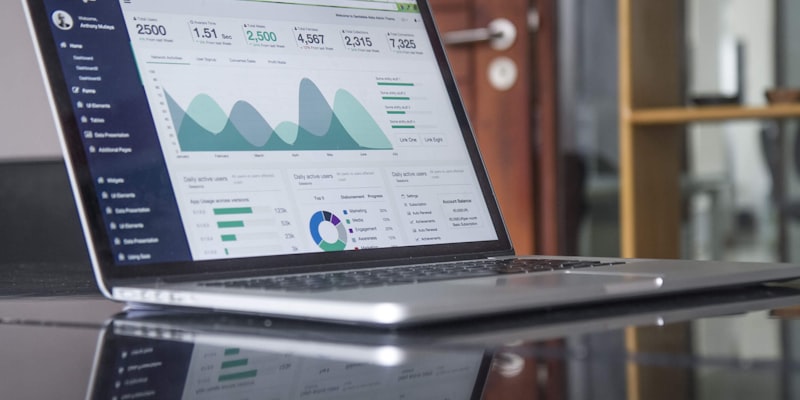
E-commerce sites have access to unique data about consumer behavior, pricing trends, and shopping patterns that journalists and bloggers want to cite.
Data Research Ideas
- Pricing trends in your category
- Consumer preference surveys
- Seasonal buying patterns
- Product popularity rankings
- Industry reports based on your data
10. Brand Mentions to Links
When your brand or products are mentioned online without a link, reach out to request link addition.
Finding Brand Mentions
- Set up Google Alerts for your brand name
- Use tools like Mention or Brand24
- Search "your brand" -site:yourdomain.com
- Monitor social media for blog post shares
Outreach Template
Keep requests simple: "Thank you for mentioning [Brand]. Would you mind adding a link to our website so your readers can easily find us?"
11. Affiliate Program Link Value
While affiliate links are typically nofollowed, a well-structured affiliate program can generate additional editorial coverage and links.
Maximizing Affiliate Link Value
- Provide affiliates with linkable content assets
- Create exclusive deals worth writing about
- Partner with affiliates who create in-depth reviews
- Encourage affiliates to link editorially (not just with affiliate links)
12. Local and Community Link Building
For e-commerce brands with physical locations or local roots, local link building strategies apply.
Local Link Opportunities
- Local business directories
- Chamber of Commerce listings
- Local news coverage for business milestones
- Community sponsorships and events
- Local influencer partnerships
Building Links to Product and Category Pages
The ultimate challenge in e-commerce link building is getting links to the pages that matter most: product and category pages. Here are specific strategies:
Product Page Link Strategies
- Product reviews: Send products for review with links to specific product pages
- Gift guides: Get products included with direct product page links
- Price comparison sites: List products on comparison platforms
- Unique products: Develop products unique enough to attract natural links
Category Page Link Strategies
- Resource page inclusion: Get your category pages listed as resources
- Buying guide references: Link category pages in contributed content
- Category-level content: Add linkable content to category pages
- Internal linking: Build links to content that links to categories
Measuring E-commerce Link Building ROI
Common E-commerce Link Building Mistakes
Mistake 1: Only Building to Homepage
Product and category pages need links too. A site with all homepage links looks unnatural and misses ranking opportunities for commercial keywords.
Mistake 2: Ignoring Content Marketing
E-commerce sites need linkable content. Product pages alone rarely attract natural links - you need buying guides, resources, and helpful content.
Mistake 3: Not Leveraging Products
Your products themselves are your best link building asset. Reviews, gift guides, and influencer content all stem from getting your products in front of the right people.
Mistake 4: Short-Term Thinking
E-commerce link building requires sustained effort. Building relationships with reviewers and publications takes time but delivers compounding results.
Key Takeaways
- Use your products: Reviews, gift guides, and influencer partnerships are your most effective tools for building links to product pages.
- Create linkable content: Buying guides, comparison content, and resources attract links while supporting product pages through internal linking.
- Leverage relationships: Suppliers, manufacturers, and existing partners are sources of high-quality links.
- Think seasonally: Gift guides and seasonal content provide predictable annual link opportunities.
- Measure revenue impact: Track not just rankings and traffic, but organic revenue to understand true link building ROI.
Conclusion
E-commerce link building requires creativity and persistence. The commercial nature of product pages means you cannot rely on natural link attraction alone - you need proactive strategies that leverage your unique advantages as a retailer.
Start by auditing your current assets: What products are reviewable? What buying guides could you create? Which suppliers might list you? What data could you publish? These questions will reveal your most immediate opportunities.
Then build systems for ongoing link acquisition: regular product review outreach, annual gift guide campaigns, consistent guest posting, and continuous brand mention monitoring. E-commerce link building is a marathon, not a sprint - but the compound effect of sustained effort is dramatic improvement in organic rankings and revenue.
About Outreachist
Outreachist is the premier marketplace connecting advertisers with high-quality publishers for guest posts, sponsored content, and link building opportunities. Our platform features thousands of verified websites across every niche, with transparent metrics and secure transactions.
Browse our marketplace | Create a free account | Learn how it works